Scissor Bird Design Review for Small Business Merch
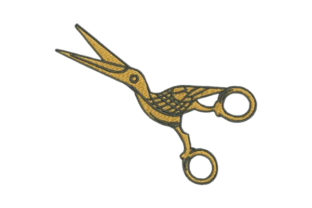
When I first opened the Scissor Bird machine embroidery design, I immediately recognized the cleverness of the concept. This is not a generic bird silhouette — it is a bird-shaped pair of thread scissors, a symbol that speaks directly to sewers, embroiderers, and anyone who works with fabric. For small business owners looking to create branded merchandise, this design offers a unique blend of whimsy and professional relevance. As an embroidery designer who has reviewed hundreds of digital embroidery files for commercial use, I can tell you that Scissor Bird has real potential for custom apparel, embroidered patches, and small business merch, but it also requires careful planning to execute well in production.
First Impressions: A Playful Yet Professional Silhouette
The Scissor Bird design reads as both friendly and purposeful. The bird shape is immediately recognizable, but the scissors motif adds a layer of meaning that resonates with creative professionals. For a small business, this design can communicate a handmade, artisanal quality without being overly decorative. It feels approachable and modern, with a touch of rustic charm that works well for boutique brands, creative studios, and handmade product labels. The overall impression is not overly bold or aggressive, but rather warm and inviting — a tone that many small businesses want to project through their custom apparel and branded merchandise.
When I evaluate a design for business use, I look for visual clarity at a glance. Scissor Bird delivers that. The silhouette is distinct enough that even at a small scale, the bird shape reads clearly. The scissors detail adds a subtle surprise that rewards closer inspection. This kind of layered meaning is valuable for brand identity because it gives customers something to remember and talk about. For a café, bakery, florist, or handmade shop, Scissor Bird could become a signature mark that feels both personal and professional.
Where Scissor Bird Shines in Commercial Embroidery
In my experience, the best uses for Scissor Bird are those that leverage its symbolic connection to sewing and creativity. Here are the applications where I believe this design performs strongest in a business context:
- Embroidered patches for aprons and uniforms — A Scissor Bird patch on a staff apron or work shirt immediately signals that the business is rooted in handmade or creative work. For a sewing studio, fabric shop, or craft café, this patch becomes a conversation starter and a badge of authenticity.
- Chest logo accent on tote bags — Tote bags are a staple of small business merch, and Scissor Bird works beautifully as a small chest or pocket logo. The bird shape has a natural, organic feel that complements canvas and cotton tote materials.
- Cap embroidery for staff uniforms — When placed on a cap front, the design needs to be scaled appropriately, but the bird shape adapts well to curved surfaces if the stitch density is managed correctly. It adds a friendly, approachable touch to uniform caps.
- Apron embroidery for bakeries and florists — The scissors motif fits perfectly in a creative workspace. Even if the business is not directly sewing-related, the handmade connotation of scissors and birds adds a layer of warmth and craftsmanship.
- Branded product labels and packaging accents — Small Scissor Bird embroidered patches can be used as removable labels on handmade products, adding a tactile, premium feel that printed tags cannot match.
- Event merchandise and customer gifts — For a creative studio hosting workshops or a boutique launching a new collection, Scissor Bird on a small pouch or muslin bag creates a memorable, on-brand giveaway.
For Etsy sellers and digital embroidery file buyers, this design is a strong addition to a design library because it is versatile enough to serve multiple client types. I have seen similar designs used effectively by pet brands, bookshops, and even small coffee roasters who want to emphasize the handmade nature of their product.
Critical Considerations for Production and Placement
No design is perfect for every surface, and Scissor Bird has specific limitations that you must address before committing to production. Based on my review of the design concept and the description provided, here are the areas where caution is needed:
- Small patch sizes and tiny details — The bird shape includes a scissors handle detail that could become muddled if the design is scaled down too aggressively. I recommend testing the embroidery file at a 2-inch or 3-inch width to see if the scissors element remains clear. If the detail is too fine, consider enlarging the design or simplifying the thread color changes.
- Cap fronts and curved surfaces — Cap embroidery places stress on any design due to the curved surface and the need for a tight hoop. Scissor Bird has a relatively open silhouette, which can help reduce distortion, but the scissors detail may still shift if the stabilizer is not chosen carefully. Use a cutaway stabilizer and test on a practice cap before committing to a full order.
- High stitch density concerns — The description does not provide exact stitch counts, so you must inspect the digital embroidery file yourself. If the density is high in the bird body or scissors area, it could cause fabric puckering, especially on lightweight materials like t-shirt jersey or fine cotton. Reduce density if needed, or use a heavier stabilizer to compensate.
- Dark uniforms and fabric texture — Scissor Bird relies on a clear silhouette. On dark fabrics, you will need to use thread colors that contrast strongly. A white or light grey thread on a navy or black uniform works well. Avoid dark thread colors on dark fabric because the scissors detail will disappear entirely.
- Frequent washing and abrasion — If the design is used on aprons or work shirts that are washed frequently, the stitch density must be moderate to prevent thread breakage. Dense designs can look great initially but may degrade over time. Test a wash cycle on a sample before selling to clients.
For small business owners, these considerations are not dealbreakers, but they require attention. The difference between a professional finished product and a disappointing one often comes down to proper hoop size, stabilizer choice, and thread color contrast.
Building Brand Identity with Scissor Bird
Brand identity is about consistency, recognition, and emotional connection. Scissor Bird contributes to all three when used thoughtfully. The design has a handmade, approachable personality that aligns well with businesses that value craftsmanship, creativity, and personal touch. A café that uses Scissor Bird on staff aprons signals that the space is made with care. A boutique that uses it on tote bags suggests that the products inside are curated with attention to detail.
Customer trust is reinforced when a brand appears cohesive. If you use Scissor Bird as a consistent element across multiple product types — patches, caps, aprons, and packaging — customers begin to associate that bird symbol with quality and authenticity. This is especially powerful for Etsy sellers and handmade brands that compete in a crowded marketplace. A well-executed embroidered patch can elevate a product from handmade to premium, increasing perceived value and buyer engagement.
That said, the design must fit the brand voice. Scissor Bird is playful but not childish, professional but not stiff. It works best for businesses that want to project warmth, creativity, and a connection to the handmade process. If your brand identity is sleek, minimalist, or corporate, this design may feel out of place. Always consider how the visual personality of the embroidery file aligns with the overall brand message you are trying to communicate.
Practical Embroidery Designer Notes Before Production
Before you take Scissor Bird to production, follow these steps that I have learned from years of reviewing and testing machine embroidery designs for commercial use:
- Test the design in black and white first. Open the embroidery file in your software and view it without thread colors. The silhouette should be instantly recognizable. If the bird shape is unclear at a glance, the design needs adjustment.
- Check the design at a small patch size. Scale the design to the size you intend to use — typically 2 to 3 inches for a patch or chest logo. Zoom in to inspect the scissors detail. If it becomes a blob of stitches, enlarge the design or simplify the motif.
- Review thread color contrast. Choose thread colors that create strong separation between the bird body, the scissors handle, and any background fabric. Avoid using similar shades for adjacent elements.
- Inspect object spacing and underlay. Look for gaps between satin columns or fill areas. Poor spacing can cause pull or push distortion. Ensure the underlay is appropriate for the fabric type you plan to use.
- Confirm hoop size compatibility. Verify that the design fits within your available hoop sizes. If the design requires multiple hoops, consider whether that is practical for your production volume.
- Test on real fabric with proper stabilizer. Run a sample on the exact fabric you will use for the final product. Use a cutaway stabilizer for knit fabrics and a tearaway for wovens. Adjust stitch density if you see puckering or distortion.
- Create a printable mockup for client approval. Use the embroidery file to generate a mockup on a garment or patch image. This helps clients visualize the finished product and reduces the risk of miscommunication.
- Compare the design beside other brand assets. If you are adding Scissor Bird to an existing brand identity, place it next to other logo elements, fonts, and graphics. Ensure the design feels cohesive and does not clash with the overall brand style.
- Confirm commercial licensing before use. The description indicates that the design comes with multiple embroidery file formats and can be used in mult — but you must verify the specific license terms. If you are producing merchandise for sale, ensure the license explicitly covers commercial use. Do not assume it is included without checking.
These steps may seem thorough, but they save time, money, and frustration in the long run. A small investment in testing prevents a production run of flawed merchandise that damages your brand reputation.
Final Thoughts on Scissor Bird for Small Business Merch
Scissor Bird is a charming, conceptually strong machine embroidery design that has genuine potential for small business merchandise, branded patches, and custom apparel. Its playful yet professional personality makes it suitable for a range of creative businesses, from sewing studios and fabric shops to cafes, bakeries, and handmade boutiques. The design works well as a patch, tote bag mark, apron accent, or cap logo, provided that you pay attention to scale, stitch density, thread contrast, and fabric choice.
As with any embroidery file, the success of the finished product depends on the care you take during preparation and production. The design itself is a solid foundation. With proper testing, thoughtful placement, and attention to brand identity, Scissor Bird can become a memorable and trusted symbol for your small business or your clients. Add it to your design assets, test it thoroughly, and use it strategically to elevate your merchandise from ordinary to handmade and memorable.