Butterfly Applique: A Design Review for Business Merch
When I first opened the Butterfly Applique machine embroidery design, I approached it with the same critical eye I bring to every file before it goes into production for a client. As someone who has built a career around turning digital embroidery files into finished product that sells, I know that a design can look beautiful on screen but fail entirely on a cap, a tote bag, or a patch. This review is written for small business owners, embroidery shops, apparel decorators, handmade brands, Etsy sellers, merch creators, product designers, crafters, and anyone who buys digital embroidery files with the goal of building a brand. I am reviewing Butterfly Applique the way I would before stitching it for a café, a boutique, a bakery, a florist, a pet brand, or a creative studio that wants embroidered merchandise that feels professional, intentional, and commercially viable.
First Impression: Elegant but Grounded
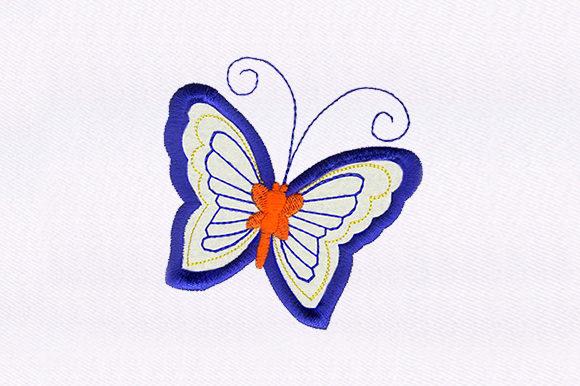
My first impression of Butterfly Applique is that it walks a careful line between decorative charm and professional polish. The name alone suggests a design that is not merely stitched but layered, which immediately signals texture and visual depth. In the world of custom apparel and small business merch, applique carries a handmade quality that customers associate with artisanal care. This design does not feel overly cute or childish. Instead, it leans toward elegant and friendly, with a silhouette that reads clearly even at a distance. For a business owner looking to add a signature mark to aprons, caps, or tote bags, this design offers a balance of softness and precision. It is decorative without being fussy, which is exactly what I look for when I recommend a design for branded merchandise that needs to hold up across multiple product types.
Visual Personality and Brand Identity Fit
Every embroidery designer knows that a design carries personality, and Butterfly Applique communicates warmth, nature, and a subtle sense of transformation. For a small business, that translates well into brand identity that feels approachable and organic. I can see this design working beautifully for a florist who wants embroidered patches on work aprons, a bakery that uses a butterfly motif on staff caps, or a boutique that sells handmade products with a consistent nature-inspired mark. The design does not scream for attention, but it lingers. That is the kind of visual consistency that builds customer trust over time. When a client sees the same butterfly on a tote bag, a cap, and a product label, they begin to associate that image with quality and care. Butterfly Applique has the potential to become a brand anchor, not just a one-off decoration.
Real Business Use: Patches, Uniforms, Caps, and Totes
I have tested hundreds of machine embroidery designs for commercial embroidery projects, and I evaluate every file based on how it performs across the most common business merch formats. Here is how Butterfly Applique holds up in real use.
Embroidered Patches
For small business owners who want to create sew-on or iron-on embroidered patches, this design is a strong candidate. The applique construction gives the patch a raised, tactile surface that feels premium. At a finished size of 3.66 inches wide and 3.76 inches tall, it fits well within a standard 4x4 hoop, which means it is accessible to anyone with a basic embroidery machine. The 5480 stitch count is reasonable for a design of this size and style. It is dense enough to hold shape but not so heavy that it will distort fabric. I would use this patch on canvas tote bags, denim jackets, and work shirts without hesitation.
Apron Embroidery
Aprons are a staple of small business merch, especially for cafés, bakeries, and handmade shops. Butterfly Applique sits beautifully on an apron chest or pocket. The applique layers add a handmade feel that aligns with the artisanal nature of food and craft businesses. I recommend testing the design on a sample apron first to confirm that the stitches lay flat against the fabric and that the thread colors contrast well with the apron material. Dark uniforms will require careful thread color selection to make the butterfly pop.
Cap Embroidery
Caps are notoriously difficult for detailed designs. The curve of the cap front, the seam, and the limited space all challenge a machine embroidery design. Butterfly Applique is on the larger side for cap embroidery, so I would use it on structured caps with a higher crown. The applique layers add bulk, which can be an issue on curved surfaces. I recommend using a lightweight stabilizer and a cap frame that holds the fabric taut. If you are embroidering on a low-profile cap, this design may be too large. Consider reducing the size slightly, but be aware that reducing stitch count can affect the applique layers.
Tote Bag Design
Tote bags are a forgiving canvas for most embroidery designs, and Butterfly Applique excels here. The flat surface allows the applique to sit evenly, and the 4x4 hoop size is ideal for a centered chest or bag front. I would use this design on cotton canvas tote bags for a boutique or a creative studio. The design reads as a brand mark rather than a standalone decoration, which is exactly what small business merch needs. It adds perceived value to the finished product, making the bag feel like a curated item rather than a giveaway.
Where to Use Butterfly Applique Carefully
No design is perfect for every application, and Butterfly Applique has limitations that every embroidery designer should consider before production.
- Small patch sizes: If you plan to scale this design down significantly, the applique layers may lose definition. The detail in the wings and body requires a minimum size to remain readable. I would not go below 2.5 inches in width without testing first.
- Cap fronts on curved surfaces: As mentioned, the applique layers add thickness. On a curved cap front, the design may pucker or lift if the stabilizer is not strong enough. Use a cutaway stabilizer and test on a practice cap.
- High stitch density on lightweight fabric: 5480 stitches in a 4x4 area is moderate, but the applique layers concentrate density in specific areas. On lightweight fabrics like silk or thin cotton, the design may cause distortion. Stick to medium-weight or heavy fabrics.
- Detailed outlines on textured fabric: The outline stitching that defines the butterfly shape may get lost on heavily textured fabrics like fleece or terry cloth. Smooth fabrics yield the best results.
- Items that need frequent washing: Applique designs have edges that can fray over time with repeated washing. For staff uniforms or aprons that are washed daily, use a tight satin stitch border and advise clients to wash inside out in cold water.
Brand Identity, Customer Trust, and Product Value
When I review a machine embroidery design for business use, I consider how it affects the entire brand experience. Butterfly Applique contributes to a brand identity that feels natural, thoughtful, and cohesive. Customers who see a consistent butterfly motif on aprons, tote bags, caps, and packaging begin to trust that the business pays attention to detail. That trust translates into higher perceived product value and stronger buyer engagement. For small business owners, every embroidered item is a touchpoint. A design that is poorly executed or mismatched to the brand can undermine that trust. Butterfly Applique, when stitched well, reinforces the handmade presentation that many small businesses rely on to differentiate themselves from mass-market competitors. It tells the customer that someone cared enough to choose a design, test it, and produce it with intention.
Practical Embroidery Designer Notes
Before you commit Butterfly Applique to production, here are the steps I take with every new embroidery file, and I recommend you do the same.
- Test it in black and white first. Stitch the design using a single thread color to evaluate the shape, spacing, and stitch density without the distraction of color. This reveals any structural issues.
- Check if it works at small patch size. If you plan to use this design for a small embroidered patch on a cap or sleeve, reduce the size in your software and review the stitch data. Small applique designs can lose detail quickly.
- Review thread color contrast. The design description does not specify thread colors, so you will need to choose your own based on the fabric. Light butterfly on a dark background creates strong contrast. Pastel threads on light fabric may wash out.
- Inspect spacing. Look at the gaps between the applique layers and the outline. Tight spacing can cause thread breakage, while loose spacing can look unfinished. Adjust if needed in your embroidery software.
- Confirm hoop size. The design is built for a 4x4 hoop, which is the most common size for home and small shop machines. If you use a larger hoop, the design may not center properly. Always check the hoop compatibility in your software.
- Test on real fabric. Never skip the test stitch. Use the exact fabric you plan to use for production. This is the only way to confirm that the design behaves as expected.
- Use proper stabilizer. For applique designs, I recommend a tear-away stabilizer for stable fabrics and a cutaway stabilizer for stretchy or lightweight fabrics. The stabilizer supports the stitches and prevents puckering.
- Create a mockup for client approval. Before stitching a bulk order, create a printable mockup that shows the design on the actual product. This gives the client a clear preview and reduces the risk of costly surprises.
- Compare it beside other design assets. If the business already has a logo or other embroidered elements, stitch Butterfly Applique next to them to ensure visual harmony. The design should complement, not compete with, existing brand marks.
- Confirm commercial licensing before business use. The product description lists the design as a machine embroidery design in the Bugs category and Embroidery type, but it does not specify license terms. Before using this design for commercial embroidery, reselling patches, or producing branded merchandise for clients, verify that the license allows commercial use. Many digital embroidery file sellers offer a separate commercial license. Do not assume it is included.
Final Thoughts on Butterfly Applique for Small Business Merch
After reviewing Butterfly Applique from every angle that matters to a professional embroidery designer, I can say that this is a design worth considering for small business merchandise, branded patches, and custom apparel. It reads as elegant but grounded, decorative but not distracting. It fits within the 4x4 hoop size that most small shops use, and the 5480 stitch count is manageable for production runs. The applique construction adds a handmade quality that customers value, and the butterfly motif carries natural symbolism that works for a wide range of businesses, from florists and bakeries to creative studios and boutiques. That said, success depends on careful testing, proper stabilizer choice, and honest assessment of the design's limitations on curved or textured surfaces. If you take the time to test, adjust, and confirm, Butterfly Applique can become a reliable asset in your design library. For the small business owner looking to build a brand that feels intentional and memorable, this design is a strong candidate for your next embroidered patch, tote bag, apron, or cap project. Treat it as a design asset, not a finished product, and it will serve you well.