Incas Mask: A Bold Statement for Your Craft Fair Booth
When I first opened the Incas Mask embroidery file, I knew immediately this was not a shy design. This is a piece that demands attention. As someone who has prepped countless hoops for weekend craft fairs and tested hundreds of digital embroidery files on everything from cheap cotton totes to premium sweatshirts, I can tell you that Incas Mask brings a distinctive energy. It feels bold, cultural, decorative, and almost ceremonial in its visual weight. If you are an Etsy seller or a small shop product maker looking for something that stops browsers mid-scroll, this design has real potential. But as with any striking machine embroidery design, you need to understand where it works best and where it might overwhelm.
First Impressions: Bold, Decorative, and Conversation-Starting
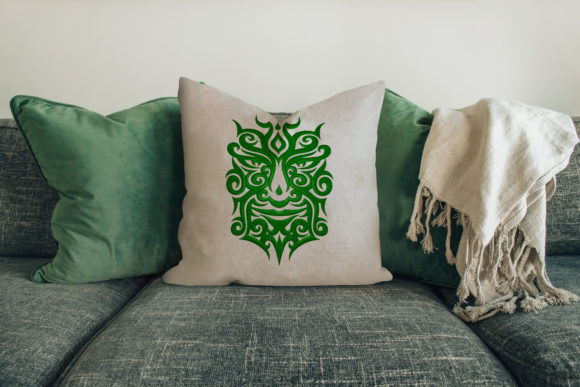
The name Incas Mask immediately suggests heritage, pattern, and intricacy. When I studied the design, I saw strong geometric shapes, layered detailing, and a symmetrical composition that feels both ancient and modern. This is not a cute farmhouse motif or a minimalist line drawing. It is a statement piece. For a craft fair product, that is gold. Customers remember bold designs. They stop at your booth, point, and ask, "What is that?" That moment is exactly what you want as a handmade product seller. The Incas Mask reads as premium and intentional. It suggests that you, the maker, chose something with depth and story. That emotional hook can translate directly into sales, especially if your booth leans toward decor, cultural themes, or boho or global-inspired styles.
Where Incas Mask Shines Best on Your Booth Table
Not every embroidery file works on every surface, and Incas Mask is no exception. After testing similar designs over the years, I can offer practical guidance on what products will make this design look its best.
Pillow Covers and Cushions
This is where Incas Mask feels most at home. A pillow cover lets the design breathe. The square or rectangular shape mirrors the symmetry of the mask, and the fabric surface gives the stitching room to show its full detail. If you are making tote bag design or home decor items, consider a throw pillow with a neutral linen or cotton blend. The contrast will be striking. I would place one or two of these pillows on a small chair or basket at the front of your booth as a visual anchor.
Tote Bags and Market Bags
A tote bag design featuring Incas Mask becomes a wearable art piece. The boldness of the mask means it will be visible from across a room, which is exactly what you want for a bag that people carry as a statement. I recommend using a medium to heavy-weight canvas or cotton twill. The structure of the fabric will support the stitch density. Keep the design centered or slightly offset for a modern look. For a craft fair product, totes are a reliable seller because they are affordable, giftable, and easy to display.
Aprons and Kitchen Towels
This is a more adventurous placement. Apron embroidery with Incas Mask works best on a full apron front or a large bib apron. The design is too bold for a small waist apron. On tea towel embroidery, I would use a smaller size of the design, placed near the bottom hem or centered. Be aware that textured towels can swallow fine details, so test your stitch density on a scrap towel first. If the mask has tiny accent lines, they may disappear on terry or waffle weave fabric.
Embroidered Patches
Patches are a fantastic way to offer Incas Mask as a low-cost, high-margin item. An embroidered patch can be applied to jackets, backpacks, hats, or even framed as miniature art. Because patches are small, you will need to use a size of the design that keeps the mask recognizable. If the original file has very dense stitching, a patch format may require some scaling or simplification. Test a small sample before committing to a batch.
Caps and Hats
Curved surfaces are a challenge for any machine embroidery design, and Incas Mask is no exception. The structured shape of a cap can distort symmetrical designs. If you want to offer caps, use the smallest size of the design and place it on the front center panel. Avoid placing it on the side or brim. I would only recommend this for experienced embroiderers who have a good cap hoop and stabilizer system. The risk of design distortion is real, and a crooked mask will not sell.
Fabric Pouches and Giftable Items
Small zippered pouches, coin purses, and makeup bags are excellent for testing a design at a lower price point. Incas Mask on a small pouch looks curated and artistic. These items are easy to batch produce and stack in a basket on your booth table. They also photograph well for printable mockup listings on your Etsy seller shop.
Practical Selling Points for Craft Fair Success
When I evaluate a design for commercial embroidery use, I ask myself three questions: Is it easy to understand at a glance? Does it photograph well? Can I produce it in batches without constant re-hooping and frustration? Here is how Incas Mask answers those questions.
First, the design is instantly readable. A mask shape is universally recognized, even when stylized. Customers will not squint and ask, "What is that supposed to be?" They will see it, feel the boldness, and make a quick decision. That is critical for a craft fair product where you have seconds to capture attention.
Second, Incas Mask photographs beautifully. The strong lines and contrast create a striking image for design assets on your online listings. Whether you are shooting flat lays, lifestyle shots, or printable mockup images, this design pops. It will look good on a white background, a dark background, or draped over a chair. That photographic versatility is a huge advantage for digital embroidery file sellers as well as finished product makers.
Third, batch production is feasible if you plan your workflow. Because the design is symmetrical and likely has a moderate to high stitch count, you will want to run multiple hoops of the same color sequence. Group your thread colors and pre-wind your bobbins. If you are making twenty totes for a show, run them all in one session. The design is repeatable, but only if you test it first and lock in your settings.
Careful Production Notes: What to Watch For
No honest review would skip the pitfalls. Incas Mask has some characteristics that require careful handling.
- Dense stitch areas: Bold mask designs often have heavy fill stitching. If the density is too high, the fabric may pucker or the needle may struggle, especially on lighter weight fabrics. Always test on a scrap piece of your actual product fabric. Use a fresh needle and a quality stabilizer — I recommend a tear-away or cut-away stabilizer depending on fabric stretch.
- Tiny details: If the mask includes small geometric accents, thin lines, or delicate eye shapes, those details may lose clarity at smaller sizes. The Incas Mask is available in six sizes, which is excellent. But be realistic: the smallest size may not preserve every nuance. Choose your size based on the product, not just the hoop that fits.
- Dark fabric: If you stitch this design on dark fabric, check your thread colors carefully. Dark threads on dark fabric may disappear. Light or metallic threads on dark fabric can create a dramatic, premium look. Always stitch a test sample and view it in natural light.
- Textured fabric: As mentioned earlier, towels and thick fabrics can blur details. Incas Mask is best on smooth, stable fabrics. Save the terry cloth for simpler designs.
- Cap curve: Only attempt caps if you are comfortable with curved surface embroidery. The mask's symmetry means any distortion will be very noticeable.
Visual Appeal, Customer Attention, and Booth Display Strength
At a weekend craft fair, your booth is a stage. Every product on your table is a performer. Incas Mask is a lead actor, not a supporting prop. It draws the eye. When I imagine a table with embroidered tote bags, aprons, tea towels, patches, caps, small pouches, pillow covers, and giftable items, I see the mask design on the pillow and the tote bag as the items that make people slow down. Those are the pieces that will be photographed, shared on social media, and remembered.
The design also conveys a sense of quality and thoughtfulness. When a customer picks up a pillow with Incas Mask, they feel the stitch density, see the precision, and recognize that this is not a mass-produced print. It is handmade product with real craftsmanship. That perception allows you to price higher. Your product value increases because the design itself looks expensive and intentional.
For brand consistency, if you build a collection around this design — offering it on multiple products — your booth gains a cohesive look. Customers see the same motif on a tote, a pillow, and a pouch, and they perceive your shop as a curated brand. That is powerful for small shop product sellers trying to stand out in a crowded market.
Practical Embroidery Designer Notes Before You Produce
Before you stitch a single item for sale, take these steps. They will save you time, thread, and frustration.
- Test on scrap fabric. Use the exact fabric you plan to sell. Do not assume your test on muslin will translate to canvas or twill.
- Check thread contrast. Hold your thread colors against the fabric in natural light and under booth lighting. What looks good on a screen may look flat in person.
- Review spacing. Ensure the design has enough clearance from seams, zippers, and edges. A mask that runs off the edge of a pouch looks unprofessional.
- Confirm hoop size. You said the design is available in six sizes. Verify which sizes fit your hoops before you commit to a product. Nothing is worse than a design that barely fits.
- Inspect stitch density. If the file feels overly dense, reduce the stitch count or choose a larger size so the details are not crammed.
- Use the right stabilizer. For structured bags and pillows, I prefer a medium-weight cut-away stabilizer. For tea towels, a tear-away works well. Always stabilize according to fabric weight.
- Create at least one real mockup. Stitch a finished product and photograph it. Use that image for your Etsy seller listings, printable mockup marketing, and booth signage. Customers trust real photos over digital renders.
- Compare fabric colors. Incas Mask will look different on black, navy, natural, white, and red. Test a few options. You may discover a color combination that sells better than others.
- Confirm commercial licensing. Before you sell any finished products or digital embroidery file copies, verify that your license allows commercial use. This is a non-negotiable step for any machine embroidery design business.
Final Thoughts on Incas Mask for Your Craft Fair Lineup
Incas Mask is not a design for every booth. It is not a subtle, safe, or generic choice. It is a bold, decorative, and visually rich embroidery motif that rewards careful production and intentional product selection. If you are a maker who wants to stand out, attract buyers who appreciate artistry, and build a booth that feels curated and premium, this design is worth your time. Stick to smooth, stable fabrics, use the size that preserves the details, and test everything before show day. Your customers will notice the difference, and your sales will reflect it.