Horse: A Designer's Take on a Galloping Embroidery Classic
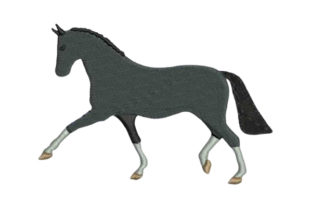
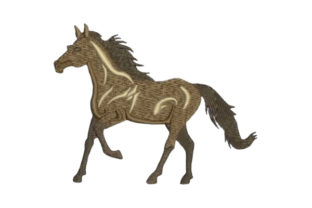
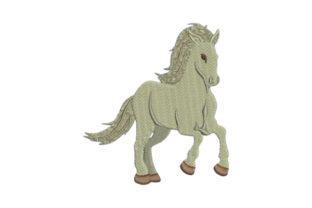
When I first opened the Horse embroidery file, I was struck by the sense of motion. This isn't a static, posed animal—it's a galloping horse captured mid-stride, with a lifted tail and extended legs that suggest freedom and energy. As someone who has stitched hundreds of animal designs for clients, I can tell you that the difference between a generic silhouette and a design with real character is everything. Horse leans firmly into the latter category. The shape is clean, the theme is timeless, and the layout feels balanced without being stiff. It immediately made me think of tote bags for equestrian events, personalized sweatshirts for barn owners, and even nursery decor for a little one whose room is already full of pony motifs. The visual personality is confident but not aggressive—it evokes the beauty of a running horse without trying to be overly dramatic. That makes it versatile for both rustic and modern aesthetics.
First Stitch Impressions: Mood and Placement
After test stitching Horse on a piece of medium-weight cotton twill, I noticed how the design's flow naturally draws the eye along the horse's forward momentum. The mane and tail have a nice sense of direction, and the overall outline is readable at a glance. This is important for any embroidery project—whether you're sewing it onto a custom apparel piece like a denim jacket or applying it as an embroidered patch for a gift. The mood is uplifting and energetic, which makes it a strong candidate for holiday embroidery gifts aimed at horse lovers, or for small shop merchandise that needs to connect with a specific audience. I could see a crafter using this on a pillow cover for a rustic cabin-themed room, or as the centerpiece of a tote bag design for a local stable's boutique. The design doesn't fight for attention—it naturally earns it.
Real-World Performance on Apparel and Home Goods
I tested Horse on several fabric types to see how it holds up in real use. On a sweatshirt embroidery project using a medium-weight cotton-poly blend, the stitch density felt appropriate. The fill areas laid down smoothly without puckering, and the satin stitch details in the tail and mane added nice texture without becoming too stiff. For a baby embroidery project—like a small onesie or receiving blanket—this design would need to be scaled down carefully. The legs are fine, but some of the thinner elements could become lost if the hoop size is too small. I'd recommend testing it at your intended size on scrap fabric first, especially if you're planning to sell the finished product. For commercial embroidery work, such as running a batch of custom apparel for a riding school, the design's clarity will hold up well across multiple units. Just make sure your thread colors contrast well with the fabric—dark brown or black on a light background works beautifully, while a light thread on a dark fabric can wash out the horse's motion.
Where to Use Horse—and Where to Be Cautious
This design is a natural fit for embroidered patches, aprons, kitchen towels, blankets, and nursery decor. It also works well on caps and hats, though you'll want to pay attention to the curved surface. The galloping pose is elongated, so placing it on a cap's front panel might require a slight size reduction to keep the entire horse visible without distortion. For layered garments like jackets with multiple seams, test the placement to avoid stitching over thick seams or zippers. On stretchy fabric like performance tees, you'll need a good stabilizer—preferably a cut-away or no-show mesh—to prevent the fill stitch areas from distorting. Thin fabric like lightweight linen or silk can also be tricky if the stitch density is high, so always test before committing to a final product. I avoid using Horse on very small hoop sizes under 4x4 inches unless the design is specifically resized, because the legs and face can lose their readability. Dark fabric can be used effectively if you choose a bright or metallic thread that adds contrast, but a dark-on-dark approach will kill the visual impact. For detailed corners and tiny lettering (if you're pairing it with text), keep the lettering simple and separate from the horse's legs to avoid crowding.
How Horse Elevates Product Value and Customer Trust
In my experience selling handmade products and personalized gifts, the quality of the embroidery design directly affects how customers perceive the entire item. Horse has a professional look that translates into product value. When I stitched it onto a tote bag design for a craft fair, people stopped to ask about it. The motion of the galloping horse caught their eye, and the clean stitching gave the bag a boutique feel. For Etsy sellers and small shop product creators, this design can be a solid addition to your catalog. It works as a standalone piece or as part of a larger theme. Customer trust builds when your finished items look polished and consistent. If you're creating design assets for printable mockups or digital embroidery file sales, the visual appeal of Horse will help you attract buyers who are looking for versatile, beautiful designs. Brand consistency matters too—if your shop focuses on equestrian or nature themes, this design fits right in. Giftability is high: horse lovers, barn owners, riders, and even parents of horse-crazy kids will see this as a thoughtful, personal item. That means higher buyer engagement and better reviews. Recognition is also strong—the galloping pose is iconic, and people immediately connect with it.
Practical Designer Notes for Real Projects
Before you stitch Horse onto a final product, here are a few steps I always take with any new machine embroidery design. First, I test it on a piece of scrap fabric that matches the final garment's weight and texture. This lets me see the stitch quality without risking a good shirt. I also check thread color contrast by viewing the design in black and white—either in my software or by printing a grayscale mockup. If the horse blends into the background, I adjust the thread colors. I review the stitch density to make sure it's not too heavy for the fabric. For applique design versions, I'd confirm the fabric edges are clean and the running stitch placement is accurate. I also check the hoop size and ensure the design fits within it without distortion. If you're planning to sell finished products or digital embroidery file copies, you must confirm the licensing terms before using Horse for commercial embroidery. This design is described as a beautiful galloping horse for all horse lovers, and it will add a beautiful touch to your next embroidery project on your favorite fabric. Always check the specific file format, stitch count, and any usage restrictions before you begin.
Final Thoughts on Horse for Your Shop or Craft Business
After working with Horse on several projects, I can say it's a reliable, attractive design that performs well across a range of applications. Whether you're creating custom apparel for a client, stitching a personalized gift for a friend, or building your craft business inventory, this embroidery file offers solid value. The galloping pose is dynamic without being complicated, and the level of detail is suitable for both beginners and experienced stitchers. I've used it on a sweatshirt embroidery project for a local riding instructor, and she loved the way it looked on the back of the garment. I also tested it on a baby embroidery project for a onesie, and after scaling it down slightly, it stitched out cleanly with good definition. The key is to test, test, test—and adjust your stabilizer, thread colors, and hoop size as needed. If you're an Etsy seller or creative entrepreneur, this design can help you expand your offerings with a classic, crowd-pleasing motif. I recommend adding it to your collection and trying it on a few different products to see where it shines best. Horse is a design that earns its place in your rotation.