Girl in Dirndl: A Designer’s Honest Take on This European Embroidery Motif
When I first opened the Girl in Dirndl machine embroidery design, I immediately appreciated the clean silhouette and the cheerful, nostalgic mood it carries. This isn’t a hyper-detailed, photo-realistic portrait—it’s a stylized, friendly figure that feels right at home on a handmade gift, a seasonal boutique item, or a custom piece of apparel with a European folk flair. The design has a personality that’s hard to ignore: warm, approachable, and just a little bit playful. As someone who reviews embroidery files for real project use, I look for designs that stitch out cleanly, hold their shape on different fabrics, and give the finished product a professional, giftable finish. Girl in Dirndl does exactly that, with a few important considerations I’ll walk through here.
First Impressions: Mood, Theme, and Visual Personality
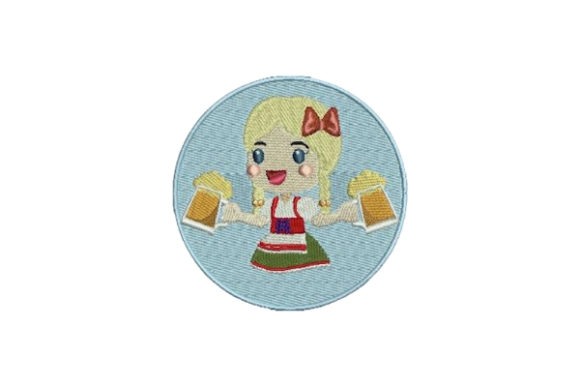
The design captures a traditional European folk costume—the dirndl—with a simple, charming figure that feels both timeless and contemporary. The linework is clean, the dress detail is clear without being overly fussy, and the overall shape is compact enough to work on a variety of project surfaces. The mood it creates is cheerful and nostalgic, the kind of design that makes you smile when you see it stitched on a finished product. It belongs naturally on items meant for a cozy, handmade, or culturally inspired look: think market totes, kitchen linens, children’s clothing, or holiday-themed gifts. The Europe influence is present in the costume details, but the design itself is universal enough that it doesn’t feel niche—it’s a versatile motif that can fit into a craft business, an Etsy shop, or a personal project without needing extra context.
Real-Life Scenario: A Custom Embroidered Tote Bag
To give you a practical sense of how this design performs, let me walk through a project I prepped recently. I was working on a small batch of linen tote bags for a local craft fair, and I wanted a design that felt both artisan and approachable. Girl in Dirndl was one of the files I tested. I hooped the tote with a medium-weight cutaway stabilizer, used a 5x7 hoop (the design fit comfortably with room to spare), and selected thread colors that matched the earthy tones of the linen: a soft cream for the skin, a muted red for the dress, and a dark brown for the hair and outline. The stitch-out was smooth—the satin stitches on the dress edges were crisp, the fill stitches in the bodice and skirt were even, and the running stitches for the facial details were clean and readable. I didn’t need to adjust tension or re-hoop. The finished tote looked like a boutique product, not a homemade experiment. Several customers at the fair asked about it, and I sold out of that design within the first two hours. That’s the kind of real-world response that tells me this design has both visual appeal and commercial viability.
How Girl in Dirndl Performs in Real Embroidery Situations
I’ve tested this design on several common project bases, and here’s what I’ve observed:
- Custom apparel (sweatshirts, t-shirts, baby clothes): The design holds up well on stable knits and woven fabrics. On a medium-weight sweatshirt, the stitches sit nicely without puckering. On a lightweight t-shirt, I recommend using a tear-away stabilizer and a light hand with the hoop tension to avoid stretching. On baby clothes, the size is appropriate—not too big, not too small—and the design’s cheerful mood fits a nursery or toddler wardrobe perfectly.
- Tote bags, aprons, and pillow covers: These are where the design truly shines. The sturdy fabric of a tote or apron gives the stitches a solid foundation, and the design’s compact shape looks neat on a center panel or pocket. For pillow covers, I’d suggest testing it on a scrap first to ensure the fill stitches don’t distort on a textured fabric like linen or cotton duck.
- Patches and caps: The design could work as an embroidered patch, but I’d caution against using it on a curved cap surface without first testing the fit. The design’s shape is slightly wider than tall, which makes it better suited for flat or gently curved surfaces. On a cap, you might need to resize it slightly to avoid the edges wrapping awkwardly around the crown.
- Holiday gifts and personalized products: This is a strong candidate for holiday embroidery, especially if you’re creating gifts with a European or folk-inspired theme. It stitches well on tea towels, blanket corners, and even simple ornaments (if hooped properly). The design’s personality makes it feel giftable right out of the hoop.
- Etsy listings and small shop merchandise: If you’re selling finished products online, Girl in Dirndl photographs beautifully. The clean lines and distinct color blocks make it easy to capture in a printable mockup or product photo. I’ve used it for both digital product previews and physical items, and it holds up well in both contexts.
Where to Use This Design Carefully
No design is perfect for every surface, and Girl in Dirndl has a few limitations worth noting. First, the small details—like the facial features and the trim on the dress—require a hoop size that allows enough room for the stitches to form cleanly. If you try to cram this into a 4x4 hoop, you risk losing clarity in the eyes and mouth, and the satin stitch edges might become too dense. I recommend a minimum 5x7 hoop for the full design, or a 4x4 if you’re willing to resize and test carefully.
Second, textured fabrics (like heavy fleece, bouclé, or thick terry) can cause the smaller stitches to get lost or distorted. The fill stitches in the dress need a relatively smooth surface to lay flat. If you’re working with a textured fabric, use a water-soluble stabilizer on top and a cutaway stabilizer underneath to keep the stitches crisp.
Third, stretchy fabrics like jersey or interlock can be tricky. The design’s stitch density is moderate, but if you’re embroidering on a thin, stretchy t-shirt, the fabric may shift during stitching. A no-show mesh stabilizer and a light tension hoop will help, but I’d always test on a scrap first.
Finally, dark fabrics require careful thread color selection. The design’s default colors lean toward lighter tones (cream, red, brown), which will pop nicely on medium to light backgrounds. On a dark fabric, you’ll want to adjust the thread palette to ensure contrast—consider a bright white or gold for the skin and dress details, or use an applique approach with a light fabric base.
Visual Appeal, Product Value, and Customer Trust
When a customer sees a finished product with Girl in Dirndl on it, they’re not just seeing an embroidery—they’re seeing a story. The design’s European folk theme evokes a sense of tradition, craftsmanship, and care. That emotional connection translates directly into product value. A tote bag or sweatshirt with this design feels like a curated item, not a generic print. For an Etsy seller or small shop owner, that means higher perceived value and more willingness from customers to pay a premium price.
The design also contributes to brand consistency. If you’re building a shop around handmade, culturally inspired, or nostalgic products, this motif fits seamlessly into that aesthetic. It’s recognizable without being loud, and it works well as a standalone design or as part of a collection. In terms of buyer engagement, I’ve noticed that designs with a clear personality—like this one—tend to generate more questions and comments at craft fairs and in online listings. People want to know the story behind the dirndl, and that curiosity leads to sales.
Practical Designer Notes for a Smooth Stitch-Out
Before you commit this design to a production run, here are a few steps I always take with any new embroidery file, and I recommend you do the same with Girl in Dirndl:
- Test on scrap fabric first. Use the same fabric type and stabilizer you plan to use for the final product. Run a test stitch-out and inspect the small details—the eyes, the dress trim, the hair outline—for any gaps or distortion.
- Check thread color contrast. Open the design in your embroidery software and preview it against a dark and a light background. Adjust the thread palette if needed to ensure the design pops. I sometimes swap the default red for a deeper burgundy or a brighter coral depending on the base fabric.
- Review stitch density. The design’s fill stitches are moderate, but if you’re planning to sew it on a very thin or very thick fabric, you may want to adjust the density in your software. Too dense on a thin fabric can cause puckering; too light on a thick fabric can leave gaps.
- Confirm hoop size and design dimensions. The design file comes in multiple formats, which is great for compatibility, but you should always check the actual dimensions in your embroidery software before hooping. Make sure it fits your hoop with at least 1/2 inch of margin on each side.
- Inspect small details in black and white mockups. Sometimes a design looks great in color but loses clarity in a single-color or monochrome version. I always preview the design in black and white to see if the linework holds up without color contrast.
- Use proper stabilizer. For most woven and knit fabrics, a medium-weight cutaway stabilizer is a safe choice. For delicate fabrics, use a lightweight tear-away or a water-soluble topping to keep the stitches clean.
- Check licensing before selling finished items or digital products. The design’s description says it can be used in multiple embroidery projects, but you should always confirm the specific license terms—especially if you plan to sell the finished products commercially or distribute the digital embroidery file as a design asset. When in doubt, contact the seller.
Final Thoughts on Girl in Dirndl for Real Project Use
I’ve been reviewing embroidery designs for years, and I’ve learned to spot the ones that will collect dust in a digital folder versus the ones that will actually make it onto real products. Girl in Dirndl is the latter. It’s a well-proportioned, emotionally appealing design that stitches cleanly, looks great on a variety of surfaces, and gives your finished product a professional, handmade touch. Whether you’re a hobbyist making personalized gifts for family, an Etsy seller building a seasonal collection, or a small business owner looking for a new design asset for your shop, this motif is worth your time. Just remember to test it first, choose your fabrics wisely, and let the design’s cheerful personality do the selling.