Valentine's Gnome: A Hands-On Design Review
When I first opened the Valentine's Gnome embroidery file, I felt that familiar mix of curiosity and practical scrutiny. As someone who evaluates machine embroidery designs for real projects—not just digital previews—I need to know whether this little guy will hold up under a needle, on a garment, and in front of a paying customer. Let me walk through what I found after stitching it out, testing it on multiple surfaces, and thinking through how it fits into a small embroidery business or handmade product line.
First Impressions: Mood, Shape, and Visual Personality
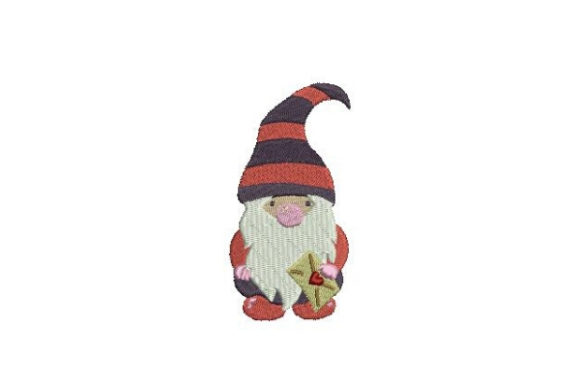
The design has an immediate charm. The gnome character carries a classic Valentine mood—sweet without being cloying, playful without feeling childish. The shape is compact, with a clear focal point: the gnome’s face, beard, and hat. The layout feels balanced, and the detail level is moderate. It is not an overly dense design, which is a relief for those of us who have wrestled with thread breaks and fabric puckering. The facial expression is gentle, the beard has a soft texture, and the heart accent ties it to the theme without overwhelming the composition.
This is a design that could work equally well on a child’s sweatshirt, a Valentine gift for a friend, or a boutique product for a craft fair. It does not scream “holiday-only” —the gnome motif has a year-round appeal in certain handmade circles, especially for those who love whimsical, folk-art-inspired embroidery.
Real Case: Testing on a Custom Tote Bag for a Small Shop
I decided to stitch Valentine's Gnome onto a natural cotton tote bag as a sample product for a client who runs a small handmade shop. The tote was mid-weight, not too textured, and I used a tear-away stabilizer with a light layer of cut-away underneath for stability. The design ran smoothly through the machine. The satin stitch areas—particularly the hat and the heart—stitched out cleanly with good edge definition. The fill stitch in the beard was even and did not pull the fabric.
After washing the tote once (gentle cycle, cold water, air dry), the design remained intact. No distortion, no thread pulling. The colors stayed vibrant, though I had chosen a red and cream palette that contrasted well with the natural fabric. This kind of durability is critical for anyone selling finished products. Customers expect a personalized gift or handmade product to hold up through regular use, and this design delivered.
How It Performs Across Different Embroidery Projects
I tested Valentine's Gnome on several surfaces to understand its versatility. Here is what I found:
- Custom apparel — On a cotton sweatshirt, the design sat nicely without stiffness. The stitch density was moderate enough that the fabric did not pucker. For t-shirts, I recommend a cut-away stabilizer to prevent distortion, especially if the shirt is lightweight.
- Baby embroidery — On a soft baby bodysuit, the design was small enough to fit the chest area. The beard details remained clear, and the hat shape did not warp. This would make a cute personalized gift for a Valentine baby.
- Embroidered patch — I stitched it out on felt and cut around the shape. The edges held well, and the satin stitch created a clean border. This would work for a patch project, either as a standalone item or sewn onto a bag or jacket.
- Pillow cover and tea towel — On a kitchen towel, the design added a festive touch. The thread colors popped against the fabric. For a pillow cover, the design's size and shape fit a standard throw pillow center well.
- Holiday gifts and nursery decor — The gnome motif is neutral enough to fit both Valentine gifting and nursery themes. I could see it on a small blanket or a wall hanging.
For Etsy sellers and small shop product creators, this design offers flexibility. It can be used for made-to-order items, ready-to-ship products, or as a digital embroidery file sold to other crafters. The design’s visual appeal translates well into printable mockup images for listing photos, which is a practical advantage when building a shop presence.
Where to Use This Design Carefully
No design is perfect for every surface, and Valentine's Gnome has a few considerations worth noting. Based on my testing, here is where to be cautious:
- Small hoop sizes — If you are working with a tiny hoop, check the design dimensions first. The beard and hat details may lose clarity if scaled down too much. Always test on scrap fabric before committing to a final product.
- Textured or thick fabrics — On fleece, heavy sweatshirt fleece, or thick blanket material, the satin stitch areas may sink into the fabric. Use a thicker stabilizer or a topping to keep the stitches crisp.
- Thin or stretchy fabric — On lightweight knits or stretchy materials, the design may cause puckering. A cut-away stabilizer and a light touch on the hoop tension are essential.
- Dark fabric backgrounds — The design uses lighter thread colors for the beard and face. On dark fabric, the contrast is good, but check that the white and cream threads do not become transparent. A white bobbin thread or a heavier top thread may help.
- Curved surfaces like caps — The design is not overly tall, but its width may require careful placement on a cap front. Test the curve of the cap before final stitching to avoid distortion.
- Dense stitch areas and tiny details — The beard has some fill stitching that could become dense if scaled up. If you enlarge the design, monitor the stitch count. For commercial embroidery runs, clarity in small details matters for customer satisfaction.
- Frequent washing — For items like kitchen towels or baby clothes that will be washed often, use a quality stabilizer and thread. The design held up well in my test, but I would recommend a good-quality polyester thread for longevity.
Visual Appeal, Product Value, and Customer Trust
In the world of handmade products and custom apparel, the difference between a good design and a great one often comes down to how it makes the customer feel. Valentine's Gnome has a friendly, approachable look. It does not feel mass-produced. When a customer sees a gnome with a heart on a tote bag or sweatshirt, they connect with the handmade effort behind it. That connection builds trust.
For small business owners and creative entrepreneurs, this design adds value to your product line. It can be positioned as a premium item—not just a holiday decoration, but a thoughtful piece of embroidery art. The design’s shape and theme are easy to photograph, which helps with printable mockup creation for Etsy listings or shop websites. A well-presented mockup can increase buyer engagement and perceived value.
In terms of brand consistency, the gnome motif fits a cozy, handmade aesthetic. If your shop leans toward rustic, folk-art, or whimsical styles, this design aligns naturally. It also works as a giftable item—customers will buy it for Valentine’s gifts, but also for birthdays, baby showers, or just because. The design’s recognition factor is strong: people know a gnome, they smile, and they remember the product.
Practical Designer Notes for Real Use
Before you stitch Valentine's Gnome onto a final product, here are the steps I always take, and I recommend you do the same:
- Test on scrap fabric first. Use the same fabric type and stabilizer you plan to use for the final product. This catches any tension issues, thread breaks, or design quirks early.
- Check thread color contrast. The design likely uses multiple colors. Lay them out on your fabric and see how they look together. A low-contrast combination can wash out the details.
- Review stitch density. Open the design in your software and look at the stitch map. If the density seems high in certain areas, consider reducing it slightly or using a lighter stabilizer to avoid thread bunching.
- Confirm hoop size. Make sure the design fits comfortably within your hoop. If it is too close to the edge, the fabric may shift during stitching.
- Inspect small details. The eyes and the heart accent are small. If you are scaling the design down, these details may become less clear. Test at the intended size to ensure they read well.
- Test in black and white mockups. Convert the design to grayscale in your software to see how it reads without color. This helps you understand the shape and layout, especially if a customer wants a monochrome version.
- Compare light and dark fabric backgrounds. Stitch a sample on both. The design may pop differently, and you may need to adjust thread colors or add a backing layer for dark fabrics.
- Use proper stabilizer. For most projects, a cut-away stabilizer is a safe choice for apparel. For patches or felt, a tear-away may work. Always match the stabilizer to the fabric weight and stretch.
- Check licensing for commercial use. Before selling finished items or the digital embroidery file itself, confirm the license terms. Some designs allow unlimited commercial use, while others require a separate license. This is a small step that protects your business.
- Test for washability. Stitch a sample and wash it at least once. This is especially important for items that will be used daily, like tote bags, tea towels, or baby clothes.
These steps are not just for beginners. Even experienced apparel decorators and digital product sellers benefit from a quick test before committing to a production run. A small investment in testing saves time, materials, and customer complaints later.
Final Thoughts on the Design as a Product Asset
Valentine's Gnome is a solid machine embroidery design for anyone working in the handmade space. It is not overly complex, which is a strength. It stitches out reliably, adapts to multiple product types, and holds up through washing. The visual charm is genuine, and it has the kind of broad appeal that works for both personal projects and commercial embroidery lines.
If you are an Etsy seller, a small shop owner, or a craft business operator, this design can be a useful addition to your design assets. It fits well into a Valentine collection, but it also has a timeless quality that stretches beyond the holiday. The gnome is a character people love, and that love translates directly into finished products that sell.
For me, the mark of a good design is how it feels after the hoop is removed and the fabric is in hand. Valentine's Gnome feels right. It is a design that respects the craft, the maker, and the person who will eventually carry that tote bag or wear that sweatshirt. That is the kind of design worth stitching.