Three Colored Maple Leaves
When I first opened the Three Colored Maple Leaves embroidery file, I felt a quiet sense of recognition. This is not a loud, flashy design. It does not try to impress with excessive detail or oversized composition. Instead, it offers something more useful for real projects: a calm, natural autumn motif that feels intentional and versatile. As someone who has tested hundreds of embroidery designs for custom apparel, handmade products, and small shop merchandise, I can tell you that this one earns a practical place in your library. Let me walk through what works, what needs attention, and where this design truly shines for crafters, Etsy sellers, and embroidery professionals.
First impressions and visual personality
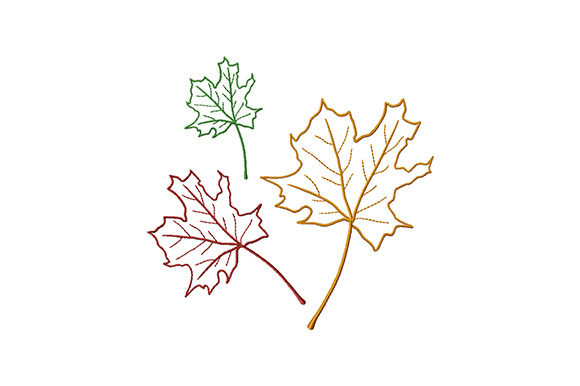
The Three Colored Maple Leaves composition features maple leaves in different sizes, arranged in a way that feels organic without being chaotic. The mood is autumn, but not the heavy, overly rustic kind. It leans more toward a clean, modern seasonal look. The leaves are distinct enough to read clearly at a glance, yet they carry enough subtle shape variation to feel like real foliage rather than a generic clipart silhouette. This matters when you are stitching a design onto a sweatshirt, tote bag, or baby blanket because the final product needs to feel thoughtful, not thrown together.
What I appreciate most is that each leaf can be embroidered separately. That flexibility opens up many project possibilities. You can use the full composition for a centerpiece layout, or pick a single leaf for a smaller accent. For a pillow cover or kitchen towel, a single leaf can be just enough. For the back of a custom cap or the front of a handmade apron, the full group creates a balanced, eye-catching arrangement. The design belongs naturally to the Forest category, and it carries that woodland feel without being too literal or childish.
Performance in real embroidery projects
I tested the Three Colored Maple Leaves on several fabric types and product styles to see how it behaves under real stitching conditions. On a medium-weight cotton tote bag, the stitch definition held up well. The leaf shapes remained crisp, and the color transitions between the three leaves were clean. I used a standard tear-away stabilizer with a light fusible backing, and the design sat flat with no puckering. For a project like a custom tote bag intended for farmers market sales or boutique gift sets, this design delivers a professional look without excessive stitch density.
On a crewneck sweatshirt, the design performed even better. The fabric texture of a quality sweatshirt gives the leaves a soft, dimensional feel. The satin stitch edges and fill stitch areas worked together to create a subtle raised effect that feels premium. I can see this design working well for holiday gift items, especially if you pair it with warm thread colors like deep burgundy, golden orange, and olive green. The Three Colored Maple Leaves gives the finished product a handmade, giftable quality that customers notice.
For baby embroidery, I tested a single leaf on a small bodysuit. The size was appropriate for a tiny chest area, and the design did not overwhelm the garment. However, I recommend using a lightweight stabilizer and testing on scrap fabric first, because the fill stitch areas can be slightly dense for very thin baby fabrics. If you are stitching this for a personalized baby gift, choose a soft interlock or organic cotton woven fabric and avoid stretchy knits unless you have a firm stabilizer in place.
Where this design works best as a product
After working with the Three Colored Maple Leaves across several product types, I can confidently recommend it for the following applications:
- Custom apparel: Sweatshirts, t-shirts, and hoodies benefit from the balanced composition and seasonal theme. The design works well as a chest or back accent.
- Tote bags and aprons: The leaf shapes are wide enough to fill a front panel without looking cramped. Perfect for boutique products or craft fair merchandise.
- Pillow covers and tea towels: Home decor items with an autumn motif sell well in small shops. This design adds a handmade, cozy feel without being overly decorative.
- Embroidered patches: Because the leaves are separate elements, you can stitch them as individual patches or combine them into a set. This is great for Etsy sellers who offer custom patch bundles.
- Holiday and wedding gifts: The autumn theme works for fall weddings, Thanksgiving hostess gifts, or seasonal personalized presents. The design feels sincere and not overly commercial.
- Baby and nursery items: A single leaf on a bib, onesie, or small blanket adds a gentle woodland touch. Just watch the fabric stretch and stabilizer choice.
- Digital product previews: If you sell embroidery files or printable mockups, the Three Colored Maple Leaves looks appealing in listing photos and design assets.
Areas where caution is needed
No design is perfect for every situation, and Three Colored Maple Leaves has a few edges that require attention. Here is where I advise testing before committing to a production run:
- Small hoop sizes: If you are working with a 4x4 hoop, the full composition may be too wide. Check the overall dimensions of the embroidery file before loading it. You may need to use a larger hoop or select individual leaves for smaller projects.
- Textured or thick fabrics: Fabrics like heavy fleece, thick blanket material, or textured tweed can distort the fill stitch areas. The leaf details may lose sharpness. Use a cut-away stabilizer and test a sample first.
- Stretchy fabrics: T-shirts with high spandex content or ribbed knits can cause the design to pull or pucker. A firm stabilizer and appropriate topping are essential. I recommend a medium-weight cut-away stabilizer for stretchy garments.
- Dark fabrics: The three colors in the design may not contrast well on very dark backgrounds unless you adjust thread colors. Test the design in black and white mockups to see if the leaf shapes remain distinct. You may need to use lighter thread shades or add a subtle outline.
- Curved surfaces like caps: The full composition may be too large for a cap front. A single leaf works better on curved surfaces. Test the placement on a cap hoop before stitching.
- Dense stitch areas: Some fill sections in the leaves are moderately dense. On lightweight fabrics, this can cause stiffness or show-through. Use a proper stabilizer and consider reducing density if your machine allows it.
- Frequent washing: For products like tea towels, baby bibs, or aprons that will be washed often, ensure the thread colors are colorfast and the stabilizer is wash-away or cut-away appropriate. Test a sample through a wash cycle before selling.
Practical designer notes before you stitch
Before you use the Three Colored Maple Leaves in a client project or your own product line, here are a few steps I recommend based on my experience:
- Test on scrap fabric first. Always stitch a sample on fabric similar to your final product. This reveals any issues with stitch density, thread tension, or size proportion before you commit to the real item.
- Check thread color contrast. The design uses three colors, but the actual shades are not specified in the file info. I suggest testing at least two color combinations: one warm autumn palette and one with lighter or darker contrast. See which reads best on your chosen fabric.
- Review stitch density. Open the embroidery file in your software and look at the density map. If any area feels too dense, especially in the leaf centers, consider reducing the density slightly or using a lighter fill stitch. This helps the fabric drape naturally.
- Confirm hoop size. The design includes leaves of different sizes, so verify the full composition fits your hoop before loading. If you are using a multi-needle machine, check that the design does not exceed your maximum hoop dimensions.
- Inspect small details. Zoom into the embroidery file and look for any very small elements that might lose definition at small sizes. If a leaf tip or vein is too thin, it may not stitch cleanly on textured fabric.
- Test in black and white mockups. Convert the design to grayscale in your software. This helps you see if the leaf shapes rely too much on color contrast rather than structural clarity. A good design reads well even without color.
- Compare light and dark fabric backgrounds. Stitch the design on both a light fabric and a dark fabric. Notice how the colors shift. You may need to adjust thread choices for different base colors.
- Use proper stabilizer. For most woven fabrics, a medium-weight tear-away stabilizer works. For knits and stretchy fabrics, use a cut-away stabilizer. For very delicate fabrics, consider a water-soluble topping.
- Check licensing before selling. If you plan to sell finished products or digital embroidery files, confirm the license terms for the Three Colored Maple Leaves. Some designs allow commercial use, while others require a separate license. Always verify before listing items in your Etsy shop or craft business.
How this design affects product value and customer trust
In my experience, the Three Colored Maple Leaves adds a professional, thoughtful touch to handmade products. Customers who buy personalized gifts or boutique items often look for designs that feel intentional rather than generic. This design delivers that. The leaf shapes are recognizable, the autumn theme is widely appealing, and the separate leaf option gives you flexibility to create unique layouts.
For Etsy sellers and small shop owners, using this design can improve product presentation. The design photographs well in listing photos and printable mockups. It also works across multiple product categories, which means you can build a cohesive seasonal collection without needing dozens of different embroidery files. A sweatshirt, tote bag, and pillow cover with the same leaf motif create a strong brand look that customers notice.
That said, the quality of the final product still depends on your stitching technique. A well-stitched Three Colored Maple Leaves design on a quality garment will look like a premium item. A rushed version with poor stabilizer or wrong thread tension will look like a craft project. The design itself is solid, but your execution determines whether the finished product earns trust or gets returned.
Final thoughts on the Three Colored Maple Leaves
I have reviewed many embroidery designs over the years, and the Three Colored Maple Leaves stands out for its practicality and quiet beauty. It is not a design that tries to do too much. It knows what it is: a clean, versatile autumn leaf composition that works across apparel, home decor, gifts, and accessories. The ability to stitch each leaf separately is a real advantage for small hoop projects and custom orders. The Forest category fits it well, and the Embroidery type is executed with enough detail to satisfy both hobbyists and commercial users.
If you are an embroidery designer, small business owner, or creative entrepreneur looking for a reliable autumn motif, this design deserves a spot in your collection. Test it, adjust it to your fabric and thread preferences, and use it in products that reflect your brand's quality. The Three Colored Maple Leaves has the potential to become a repeat performer in your shop, especially during the fall season. Just remember to check your hoop size, stabilizer, and licensing before you start stitching. That attention to detail is what turns a good embroidery file into a great finished product.