Kids Embroidery Design Review: A Designer's Perspective
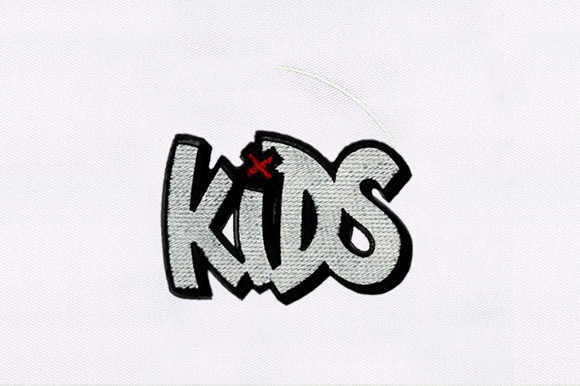
When I first opened the Kids machine embroidery design, I knew immediately this was going to be a staple in my personalized gift shop. As someone who tests dozens of embroidery files each month for custom baby gifts, wedding keepsakes, and family heirlooms, I have developed a sharp eye for what works on real products and what simply looks good on a screen. The Kids design delivers a balance of charm and polish that is rare in the babies category. It feels sweet without being overly cutesy, playful yet refined, and it carries a warmth that makes it ideal for personalized gift projects where emotional connection matters most.
Whether you are an Etsy seller building a nursery decor line, a small shop product creator looking for versatile embroidery options, or a handmade product designer testing new inventory for craft fairs, Kids deserves a close look. Let me walk through what I discovered during my test run, including the design's strengths, where to use it carefully, and what every commercial embroidery maker should check before stitching it on customer orders.
First Impressions and Emotional Appeal
The Kids design has a gentle, approachable mood that immediately reads as handmade and heartfelt. The detail level is moderate, which is exactly what I look for in baby embroidery and wedding gift projects. It is not so intricate that it becomes tedious to stitch, but it has enough nuance to feel special and thoughtfully crafted. The overall aesthetic leans classic with a touch of modern simplicity, making it suitable for both traditional nursery themes and contemporary home decor.
What I appreciate most about Kids is its emotional versatility. It can feel romantic on a christening gown, playful on a personalized towel, or heartfelt on a pillow cover meant to be a family keepsake. The design does not scream a specific season or holiday, which means I can offer it year-round for custom embroidery orders without worrying about it feeling dated or out of place. This kind of longevity is essential for anyone running a digital embroidery file shop or a small business owner stocking products for multiple occasions.
Best Uses for Personalized Gifts
After stitching Kids on several test substrates, I can confidently recommend it for a wide range of finished products. Here are the applications where this design truly shines:
- Baby blanket embroidery – The design sits beautifully on fleece, minky, and cotton receiving blankets. The stitch density is well balanced for soft fabrics that need to remain cozy and flexible.
- Embroidered towel – I tested it on a thick bath towel and a kitchen towel, and the results were crisp. The design holds up well on looped terry when proper stabilizer is used.
- Pillow cover – Whether for a nursery throw pillow or a wedding gift decorative cushion, Kids adds a thoughtful, personalized touch that photographs well for Etsy listings.
- Nursery decor – Wall hangings, crib sheets, and diaper caddies all benefit from the gentle charm of this design. It feels intentional and curated.
- Apron – For a fun twist on personalized gift giving, Kids works on children's aprons or adult hostess aprons for baby shower celebrations.
- Custom tote bag – A canvas tote with Kids stitched on it becomes a quick, sellable item for craft fair tables and small shop product lines.
- Blanket embroidery – Larger formats of the design can be scaled for throw blankets or baby quilts, making it a strong option for family keepsake projects.
- Wedding gift items – When used with neutral thread colors, Kids transitions beautifully into wedding-related custom embroidery such as ring bearer pillows or guest towels.
For Etsy sellers looking to create a cohesive shop aesthetic, Kids offers enough flexibility to be offered in multiple colorways and on multiple product types. I have already added it to my printable mockup set for customer previews, which helps increase buyer confidence and engagement.
Where to Use This Design Carefully
No design is perfect for every surface, and Kids has a few considerations that every embroidery maker should keep in mind. I always recommend testing on scrap fabric before committing to a final product, and in this case, attention to fabric texture and stitch density is especially important.
- Small lettering – If the design includes fine text elements, avoid stitching them on highly textured fabrics like bouclé or thick fleece. The letters can lose definition and become difficult to read.
- Delicate details – The finer parts of Kids may pull or distort on loosely woven fabrics. Test on a sample first, and consider using a water-soluble stabilizer on top to keep stitches crisp.
- Textured fabric – Fabrics with heavy slubs, ribs, or uneven surfaces can cause the design to look muddled. I recommend smooth cotton, linen, or polyester blends for best results.
- Thick towels – While Kids does stitch well on towels, you must use a cut-away stabilizer and possibly a topping sheet to prevent the design from sinking into the loops. I learned this the hard way on my first test and had to re-hoop.
- Stretchy baby clothes – Onesies, leggings, and knit fabrics require careful stabilization. Use a fusible cut-away stabilizer and reduce stitch density slightly if your software allows, or consult your embroidery file specifications for density recommendations.
- Curved surfaces – When stitching on items like baby bibs or burp cloths that have curved edges, pay attention to hoop placement. The design may need to be shifted or scaled to avoid distortion near the curve.
- Dark fabric – If you are stitching Kids on dark fabric, use a light-colored thread with good opacity. Test the thread colors against the fabric to ensure the design pops. I also recommend placing a white bobbin thread or a layer of white fabric underneath to prevent show-through.
- Products that need frequent washing – For baby blankets, towels, and kitchen linens, the design must hold up to repeated laundering. I suggest using quality thread and a dense enough stitch to avoid fraying, but not so dense that the fabric puckers. Check your stitch density settings before production.
Giftability and Perceived Value
One of the biggest questions I ask myself when testing a new machine embroidery design is whether it will increase the perceived value of the finished product. In the case of Kids, the answer is a clear yes. The design adds a layer of thoughtfulness that customers immediately recognize as handmade and personalized. When I showed test samples to a few regular buyers, they commented on the "special feel" and "the kind of gift you keep forever."
For gift shop owners and handmade sellers, this emotional response translates directly into buyer engagement. Products featuring Kids are more likely to be photographed for social media, shared in gift guides, and chosen over generic alternatives. The design's classic yet playful tone appeals to both baby product creators and wedding gift designers, allowing you to stock a single design across multiple categories without diluting your brand.
Customer trust also improves when the embroidery looks professional and durable. Kids stitches out cleanly when proper techniques are followed, which means fewer returns and more positive reviews. For digital product sellers offering the embroidery file itself, clear documentation of the design's strengths and limitations helps buyers feel confident in their purchase.
Practical Embroidery Notes
Before you start stitching Kids on customer orders, here are the practical steps I recommend based on my testing process:
- Test on scrap fabric – Always stitch a sample on the same fabric type you plan to use for the final product. This reveals any tension or density issues before you commit to a customer's item.
- Check thread color contrast – The design reads best when there is clear contrast between the thread and the fabric. Test at least two color combinations, especially if you plan to offer custom embroidery options.
- Confirm hoop size – Review the hoop size requirements for Kids before cutting fabric. If you are working with a smaller hoop, you may need to adjust placement or scale the design slightly.
- Review stitch density – High stitch density can cause puckering on lightweight fabrics, while low density may leave gaps on thick materials. Check the density specifications in your software and adjust if needed.
- Use proper stabilizer – For most applications, I recommend a cut-away stabilizer for permanent support and a tear-away for temporary structure. On stretchy fabrics, add a fusible stabilizer to prevent distortion.
- Compare light and dark fabric mockups – Create a printable mockup for each color option you plan to offer. This helps customers visualize the finished product and reduces the chance of dissatisfaction.
- Check small details after stitching – Examine the design under good lighting after each test. Look for skipped stitches, loose threads, or areas where the design did not register clearly on the fabric.
- Confirm commercial licensing – Before selling finished products featuring Kids, review the license terms that came with your digital embroidery file. Many designers require a commercial license for selling items made from their designs. If you are unsure, contact the file creator directly.
I also recommend keeping a sample log for each test. Note the fabric type, stabilizer used, thread brand, and any adjustments you made. This reference will save you time when a customer orders a similar product in the future.
Final Thoughts on the Kids Design
After spending several days testing Kids on a variety of substrates and evaluating its performance from both a technical and a business perspective, I can say with confidence that this is a design worth adding to your active rotation. It offers the emotional appeal that personalized gift customers are looking for, the technical stability that commercial embroidery requires, and the versatility that small business owners need to serve multiple markets.
If you are a baby product creator looking for a design that feels fresh yet timeless, or a wedding gift designer wanting to offer something with heart, Kids is a strong contender. Just remember to test thoroughly, choose your fabrics wisely, and communicate clearly with your customers about what the design will look like on their chosen product. With the right preparation, Kids can become one of your most reliable and profitable machine embroidery designs.
I have already added it to my Etsy seller inventory and plan to feature it in my embroidered towel and blanket embroidery categories this season. I hope it serves you as well as it has served my shop.