Hamsa with the Evil Eye: A Designer’s Review
When I first opened the Hamsa with the Evil Eye machine embroidery design, I knew immediately it had the kind of presence that stops a customer mid-scroll. As someone who spends hours evaluating digital embroidery files for small shop product runs, I look for designs that feel both intentional and wearable. This one delivers. It is a gorgeous symbolic embroidery design, rooted in boho tradition yet flexible enough to anchor a modern apparel collection. Let me walk through what I saw when I reviewed it for a real boutique sweatshirt project.
First Impressions: Mood, Layout, and Stitching Personality
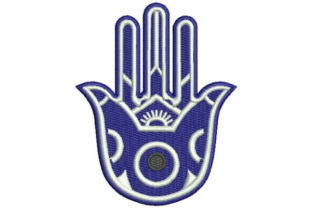
The Hamsa with the Evil Eye reads as bold yet balanced. The hand shape is iconic, and the eye detail at the center gives it a focal point that draws the viewer in. The overall mood is protective and artistic, with a strong decorative finish. It does not feel overly feminine or strictly rustic; instead, it lands somewhere between minimal and bold, depending on the fabric and thread colors you choose.
From a stitch perspective, the design has a layered personality. The outer lines of the hamsa carry a confident stroke, while the inner eye and palm details introduce finer stitching. That contrast gives the finished product texture without looking chaotic. If you are planning a hoodie design for a small clothing brand, this kind of visual rhythm works well. It keeps the eye moving across the embroidery without overwhelming the garment.
I also noticed that the layout is compact enough to sit comfortably on a chest pocket area or as a centered front piece. The proportions feel natural. It is not so wide that it crowds the shoulder seams, nor so tall that it pushes into the neckline. For an Etsy seller or boutique brand testing a new drop, that means less guesswork during hoop placement and mockup previews.
Placement Options for Sweatshirt and Hoodie Production
When I prepare a design for a limited sweatshirt drop, I test several placements. The Hamsa with the Evil Eye adapts well to three key locations:
- Chest center: This is the classic spot for a statement piece. On a neutral or pastel sweatshirt, the design stands out without competing with other elements. It works for both unisex and women’s cuts.
- Sleeve accent: Placed on the upper arm or near the cuff, the hamsa becomes a subtle branding detail. This is popular for boutique merchandise that wants to feel curated rather than loud.
- Back design: Scaled slightly larger, the design can anchor the back of an oversized hoodie. The symbolic nature of the hamsa with the evil eye makes it a natural conversation piece, especially for lifestyle product photography.
For a small shop product, I recommend starting with chest placement. It is the most forgiving for first-time production and gives you a strong visual for your Etsy listings and printable mockups. Once you confirm the stitch quality, you can expand into sleeve and back variations.
Thread Color Contrast and Fabric Texture Considerations
One of the first things I evaluate in any machine embroidery design is how it will read on different fabric colors. The Hamsa with the Evil Eye offers a lot of flexibility here. On dark fabric, such as black or charcoal sweatshirts, I would use metallic gold or bright white thread for the palm outline and a deep teal or ruby for the eye detail. That combination creates a premium, almost jewelry-like effect.
On pastel colors, like blush, sage, or lavender, the design can go in a softer direction. I would stick to matching thread colors in a monochromatic palette or choose a single contrast shade for the eye. The result is a more minimal, feminine look that still holds the protective symbolism of the design.
For neutral fabrics — cream, oatmeal, heather gray — the hamsa feels rustic and grounded. I would use earthy thread colors like terracotta, olive, or deep navy. This is where the boho category shines. The design looks like it belongs on a handmade product that tells a story, which is exactly what custom apparel buyers are looking for.
Fabric texture matters too. On a fleece sweatshirt, the stitches will sink slightly, so you want a design with enough density to stay visible. On a lighter hoodie or a jeans jacket, the same embroidery file will pop more. I always remind Etsy sellers and small shop owners to test a sample on their actual fabric before committing to a full run. The stitch density of this design feels appropriate for mid-weight sweatshirt material, but you should verify the exact numbers in your embroidery file.
Practical Concerns: Stitch Density, Stabilizer, and Durability
Every commercial embroidery project comes with technical details that can make or break the finished product. Here is what I consider when reviewing the Hamsa with the Evil Eye for production:
- Stitch density: The design includes both open areas and dense satin stitching. That mix is good for preventing puckering on sweatshirt fabric. If the density is too high in the eye area, you may need a heavier stabilizer to keep the fabric flat.
- Hoop size: The description does not specify hoop size, so I recommend checking your embroidery file before starting. For chest placement on a hoodie, a 4x4 or 5x7 hoop should work. For back designs, you may need a larger hoop or a split file.
- Stabilizer choice: On stretchy sweatshirt fabric, I use a tear-away stabilizer for medium density and a cut-away for higher density areas. The hamsa design has enough detail that a cut-away stabilizer will give you cleaner results and longer washing durability.
- Small-size readability: If you plan to embroider this design on a child’s sweatshirt or a smaller garment, the eye and finger details should remain clear. I would not shrink it below 2.5 inches in height, or the fine lines may blur.
For apparel decorators and handmade business owners, these details affect your final product value. A well-executed embroidery piece feels premium to the touch and holds up after multiple washes. The Hamsa with the Evil Eye has the structural potential to deliver that, but only if you pair it with the right stabilizer and fabric preparation.
Product Value, Brand Identity, and Buyer Trust
When I work with a boutique brand, I always consider how a design will affect the customer’s perception of quality. The Hamsa with the Evil Eye carries cultural and symbolic weight, which can increase buyer trust when presented thoughtfully. Customers who recognize the hamsa often associate it with protection, luck, and spiritual meaning. That emotional connection turns a simple sweatshirt into a meaningful purchase.
For your Etsy listings or online shop, this design gives you strong visual recognition. It photographs well on lifestyle model shots and flat lays. The contrast between the intricate eye and the clean palm outline creates a natural focal point. I recommend using a printable mockup of the design on a neutral sweatshirt to test how it reads in thumbnail size. A clear, high-contrast image will increase click-through rates and customer engagement.
From a brand identity perspective, the hamsa fits well with shops that lean into boho, spiritual, or artistic aesthetics. It does not feel generic. That matters for small clothing brands trying to build a loyal customer base. When you offer a handmade product with a design that has meaning, you are not just selling a garment — you are selling a story. The Hamsa with the Evil Eye supports that narrative naturally.
Digital Assets and Production Workflow
Before you start production, make sure you have the right digital embroidery file format for your machine. The product description states that this machine embroidery design comes with multiple embroidery formats, which is helpful for commercial embroidery setups. Check that your file includes the formats you need — PES, DST, EXP, or others — and that the thread colors are clearly mapped in the file.
I also recommend creating a design assets folder for each project. Include the embroidery file, a thread color chart, a placement guide, and a printable mockup for your product photography. This organization saves time when you are managing multiple small shop products at once.
For apparel decorators and creative entrepreneurs, efficiency is everything. The Hamsa with the Evil Eye is a design that rewards careful planning. If you take the time to test your stabilizer, hoop size, and thread contrast on a sample garment, you will get a finished product that feels polished and intentional.
Final Thoughts on the Hamsa with the Evil Eye for Sweatshirt Embroidery
After reviewing this design for a real boutique project, I can say that the Hamsa with the Evil Eye is a strong addition to any custom apparel lineup. It offers the versatility to work across neutral, dark, and pastel fabric bases. It carries a symbolic weight that resonates with customers. And it delivers the kind of visual detail that makes a handmade product feel premium without being overly complicated to produce.
For Etsy sellers, small shop owners, and apparel decorators looking to build a cohesive collection, this design gives you a solid foundation. Whether you place it on a sweatshirt, hoodie, or jeans jacket, it will hold its own in both product photography and real-world wear. Just remember to verify your hoop size, stitch density, and stabilizer choice before you start. That attention to detail is what separates a good product from a great one.
If you are preparing a limited drop for your boutique brand, the Hamsa with the Evil Eye is worth a close look. It is decorative, meaningful, and adaptable — exactly what a modern embroidery project needs.