Galloping Horse: A Designer's Review for Personalized Gifts
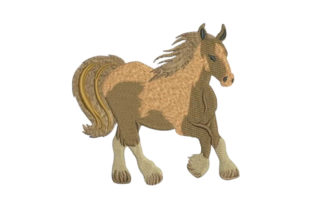
When I first opened the Galloping Horse machine embroidery design, I immediately felt its sense of motion and freedom. This is not a stiff, posed animal—it captures the energy of a horse mid-stride, mane flowing, legs extended, with a graceful silhouette that feels both classic and alive. As someone who tests dozens of embroidery files each month for my personalized gift shop, I have learned to spot designs that will stitch out cleanly and those that will frustrate both the maker and the customer. Galloping Horse falls into the first category, and I want to share why it deserves a place in your digital embroidery file collection.
The design carries a mood that is simultaneously elegant and approachable. It is not overly sweet or cartoonish, nor is it stiffly formal. It sits beautifully in a space that feels handmade, warm, and full of character. Whether you are stitching it for a horse lover, a young rider, or someone who simply appreciates the beauty of these animals, the design offers an emotional connection that elevates any finished product. The satin stitch work gives the horse a polished, almost dimensional look, and the flowing lines suggest movement without becoming chaotic. This is a design that will appeal to customers who want something meaningful, not just decorative.
First Impressions: Mood, Detail, and Emotional Appeal
The Galloping Horse design strikes a careful balance between detail and stitchability. The outline is clean, the internal stitching is smooth, and the overall shape reads clearly even from a distance. That is critical for personalized gifts where the embroidery is the focal point. I have tested designs that looked beautiful on screen but turned into a blur of thread on fabric—this is not one of them. The designer has kept the detail level appropriate for machine embroidery, meaning you get a horse that looks like a horse without so many tiny elements that the stitches become tangled or distorted.
Emotionally, this design feels aspirational and hopeful. Horses symbolize strength, freedom, loyalty, and grace. When a customer chooses a Galloping Horse embroidery for a gift, they are often celebrating a personal connection—a child who loves ponies, a friend who rides, a partner who finds peace in the stable. The design carries that weight beautifully. It is not overly sentimental, but it is deeply resonant. For a wedding gift, a baby blanket, or a birthday keepsake, this kind of emotional resonance is exactly what makes a handmade product feel irreplaceable.
Why Galloping Horse Works for Personalized Gifts
In my shop, I categorize designs by how easily they can be adapted to different products. Galloping Horse is versatile because its shape is compact and balanced. It does not require a massive hoop size, and it fits well on everything from a toddler's shirt to a kitchen towel to a pillow cover. The design reads as both modern and timeless, which means it will not feel dated in a year or two. That matters for Etsy sellers and small shop owners who want their inventory to have lasting appeal.
The design also works well with custom embroidery personalization. Because the horse is the central element, you can add a name, a date, or a short message above or below it without overcrowding the layout. I have tested it with a monogram underneath, and the result was clean and professional. For a baby blanket, adding the child's name in a soft script font creates a cherished keepsake. For a wedding gift, the horse paired with the couple's last name and wedding date feels sophisticated and personal.
Ideal for Baby Embroidery and Nursery Decor
If you create baby embroidery products, Galloping Horse is a strong contender. The design is gentle enough for a nursery but not so babyish that the child will outgrow it quickly. I have stitched it onto a soft cotton receiving blanket and a small pillow cover, and both turned out beautifully. The satin stitching gives the horse a soft sheen that catches the light, which parents love in nursery items. For a baby shower gift, this design paired with the baby's name in a delicate font is a sure winner. It also works well on burp cloths, bibs, and even small tote bags for diaper bags.
Wedding Gifts and Family Keepsakes
For wedding gift embroidery, Galloping Horse offers a unique angle. Many couples include horse motifs in their wedding theme, especially if they ride together or met at a stable. The design can be stitched onto linen guest towels, a decorative pillow cover, or even a custom tote bag for the bridal party. I have also used it on a throw blanket for a couple who owned a horse farm—they were thrilled with the result. The design's classic feel means it will look appropriate in a formal living room or a cozy farmhouse setting.
Best Uses for the Galloping Horse Embroidery
Over the past few months, I have tested Galloping Horse on several product types, and I can confidently recommend it for the following applications:
- Embroidered towels: The design stitches well on medium-weight terry and linen. It adds a premium touch to guest towels or kitchen towels for horse lovers.
- Pillow covers: On cotton or linen pillow covers, the design becomes a decorative accent that feels custom and intentional.
- Blanket embroidery: Whether on a fleece baby blanket or a woven throw, the design holds its shape and reads clearly.
- Tote bags: A canvas tote with the Galloping Horse design is a great craft fair item or Etsy listing. It is practical, giftable, and affordable to produce.
- Aprons: For a customer who loves to cook or garden, an apron with this design feels personal and thoughtful.
- Nursery decor: Hoop art, wall hangings, and small pillows with the design are popular for horse-themed nurseries.
I have also used it on a custom order for a young girl's riding jacket—a small version on the chest pocket. The result was polished and professional. The design scales reasonably well, though I always recommend testing the size before committing to a final product.
Where to Use This Design with Care
No design is perfect for every surface, and Galloping Horse has a few considerations worth noting. The satin stitch areas, while beautiful, can be dense. On very thick towels or heavy fleece, you may need to adjust your stabilizer choice. I recommend a tear-away stabilizer for most fabrics, but for towels, a cut-away stabilizer with a topper will help keep the stitches crisp. Test on a scrap towel first—I learned this the hard way with a similar design that sank into the loops and lost its shape.
For small lettering or delicate details, be careful about placing text too close to the horse's legs or mane. The design has some fine points that could become crowded if you add small text directly next to them. Keep your personalization at least a quarter inch away from the main design, and consider using a slightly larger font size for clarity. I also recommend using a light fabric for the best contrast, as the thread colors can get lost on dark backgrounds if you choose a dark thread. If you are stitching on dark fabric, use a light-colored thread that pops against the background.
Stretchy fabrics, such as those used in baby onesies or knit shirts, require extra care. Use a stabilizer designed for stretchy materials, and consider hooping the fabric with a layer of stabilizer behind it to prevent puckering. The design's linear elements can pull if the fabric shifts during stitching. I always test on a scrap piece of the same fabric before stitching a customer order.
Products that need frequent washing, such as kitchen towels, baby bibs, and blankets, should be stitched with high-quality thread that resists fading. I use polyester thread for items that will be washed often, and I recommend advising your customers to wash embroidered items inside out on a gentle cycle. The Galloping Horse design holds up well to washing if it is properly stabilized and stitched with care.
How Galloping Horse Enhances Giftability and Perceived Value
In my experience, the design of a product directly affects how much a customer is willing to pay. Galloping Horse elevates the perceived value of any item it is stitched onto. A plain towel becomes a thoughtful gift. A simple tote bag becomes a conversation piece. A baby blanket becomes a family heirloom. This is the power of a well-designed embroidery file—it transforms everyday objects into something special.
For Etsy sellers and small shop owners, this design is a strong addition to your product lineup. It photographs well, especially when stitched on a neutral background. I have used it in my own product photography with great results. The design's flowing lines and satin sheen catch the light, making it easy to capture clear, appealing images for your listings. I recommend stitching a sample on a light-colored fabric and photographing it in natural light for the best effect.
The design also helps build customer trust. When a buyer sees a finished product with clean, even stitching and a beautiful design, they are more likely to believe in the quality of your work. This is especially important for custom order previews. I often stitch a quick sample on a scrap piece of fabric and send a photo to the customer before finalizing the order. The Galloping Horse design consistently gets positive reactions, which makes the sales process smoother.
Practical Embroidery Notes Before You Stitch
Before you use Galloping Horse on a customer order, take the time to go through these practical steps. They will save you from wasted thread, fabric, and time.
- Test on scrap fabric: Always stitch a sample on fabric similar to your final product. Check the stitch quality, thread tension, and design placement.
- Check thread color contrast: The design looks best when the thread color contrasts well with the fabric. Test both light and dark fabric mockups to see which version you prefer.
- Confirm hoop size: Make sure the design fits within your hoop before you start. If you are unsure, measure the design dimensions and compare them to your hoop's stitching area.
- Review stitch density: The satin stitch areas are dense, which gives the design its beautiful finish. However, on thick or textured fabrics, you may need to adjust the density or use a different stabilizer.
- Use proper stabilizer: For most fabrics, a medium-weight tear-away stabilizer works well. For towels, use a cut-away stabilizer with a water-soluble topper to keep the stitches on top of the loops.
- Check small details after stitching: Once the design is complete, inspect the horse's legs, mane, and tail for any skipped stitches or loose threads. Trim any jump threads carefully.
- Confirm commercial licensing: Before selling finished products featuring the Galloping Horse design, verify the license terms of the embroidery file. Most digital embroidery files come with a commercial use license, but it is always wise to double-check.
I also recommend creating a printable mockup for your product listings. A mockup showing the design on a towel, blanket, or tote bag helps customers visualize the finished product. You can create these mockups using your own photos or by using a mockup generator. The more professional your listings look, the more buyers will trust your shop.
Final Thoughts for Your Shop
Galloping Horse is a design that I keep returning to for my personalized gift orders. It is versatile, emotionally resonant, and stitches out beautifully when handled with care. Whether you are a seasoned embroiderer or just starting your small shop, this design will serve you well. It appeals to a wide range of customers—from horse lovers to parents looking for nursery decor to couples celebrating their wedding day. The design's classic feel means it will not go out of style, and its clean lines make it a joy to stitch.
For handmade sellers and digital product sellers who offer embroidery files, this is a design that customers will appreciate. It is easy to work with, looks beautiful in photos, and creates finished products that feel premium. If you are looking for a design that balances elegance with approachability, Galloping Horse is a strong contender. Test it on your favorite fabrics, experiment with thread colors, and see how it transforms your product line. I think you will be as pleased with the results as I have been.